The Real Cost of “I’ll Book It Tomorrow”
Every spring, agricultural operations across North America lose thousands of dollars to preventable shipping mistakes. When planting season hits or harvest equipment needs to move right now, last-minute agricultural equipment shipping becomes a budget killer. The good news? A strategic approach to specialized machinery transport can cut your costs by 30-40% while improving reliability. Here’s how to stop the bleeding and start shipping smarter.
![[HERO] Stop Wasting Money on Last-Minute Agricultural Equipment Shipping: 5 Steps to Book Smarter](https://i0.wp.com/cdn.marblism.com/4pca1izkstx.webp?ssl=1)
Why Last-Minute Agricultural Equipment Shipping Drains Your Budget
Let’s talk numbers. When you call a carrier three days before you need a combine moved 800 miles, you’re not getting a quote, you’re getting whatever price they can extract from your urgency. Premium rush fees, limited carrier availability, and expedited open deck freight rates can inflate your shipping costs by 50% or more.
But there’s a bigger problem: last-minute bookings often mean settling for whoever’s available, not who’s best. This leads to delays, improper equipment handling, and in worst-case scenarios, damage to six-figure machinery because the carrier wasn’t experienced with agricultural equipment shipping.
The solution isn’t complicated, it just requires thinking ahead. Here are five practical steps that agricultural businesses use to book smarter and stop hemorrhaging money on transportation.
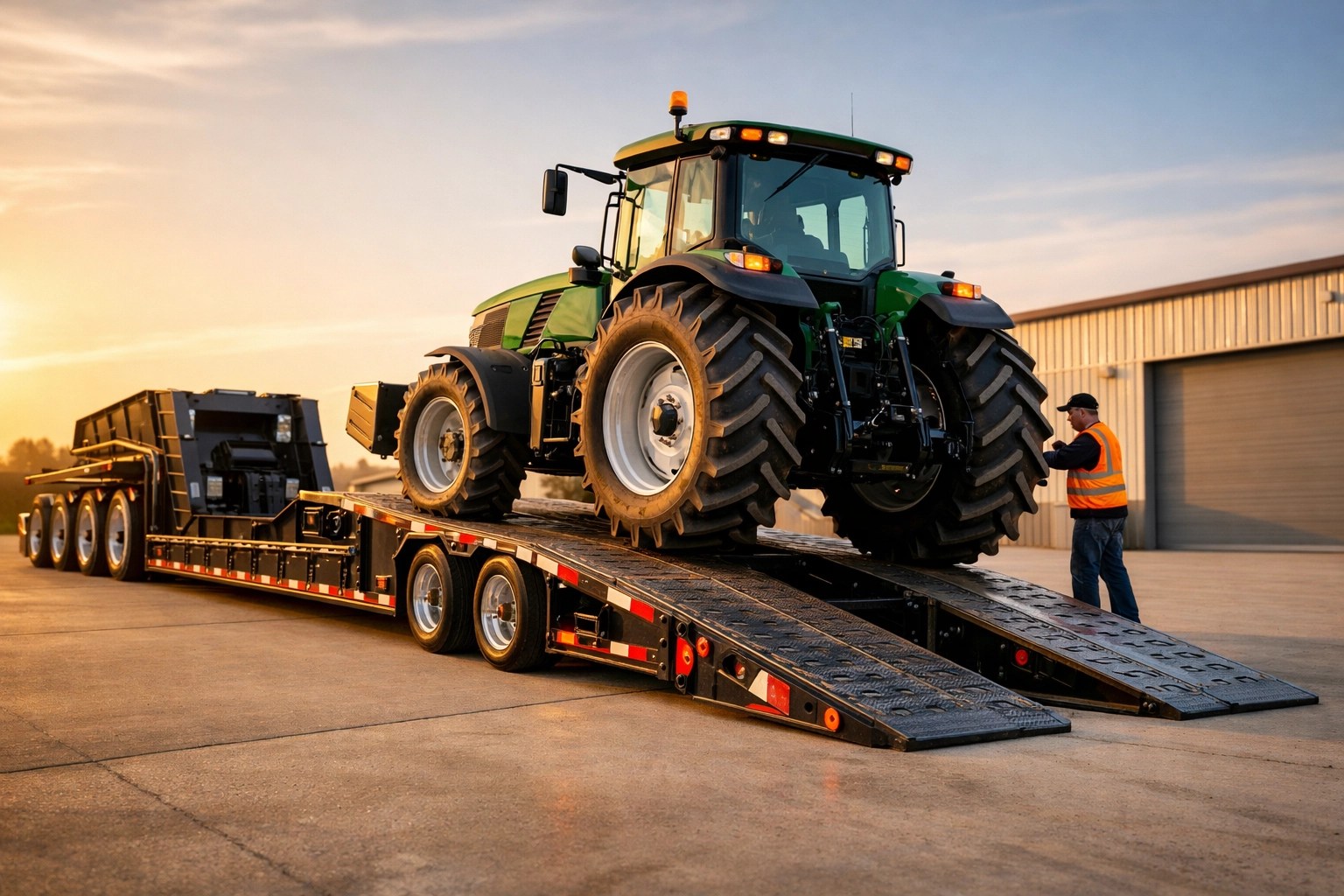
Step 1: Plan Your Equipment Moves During the Off-Season
Here’s something most farm managers don’t realize: carriers price agricultural equipment shipping based on when you book, not just what you’re shipping. During peak agricultural seasons (spring planting and fall harvest), every farmer in your region needs equipment moved simultaneously. Capacity tightens, prices spike, and reliable carriers get booked solid.
The smart move? Map out your equipment transportation needs 60-90 days in advance. If you know you’ll need a tractor delivered for spring planting, book the specialized machinery transport in February, not April. If harvest equipment needs to move between farms, arrange transportation in August instead of waiting until September.
This advance planning creates three immediate advantages:
- Better rates: Carriers reward early bookings with standard pricing instead of premium rush fees
- Carrier selection: You choose experienced agricultural haulers based on reputation, not just availability
- Route optimization: Enough time to plan efficient routes that avoid weight-restricted roads, minimize tolls, and reduce total mileage
One Midwest farming operation we work with saved $12,000 last year simply by planning their seasonal equipment moves during quarterly planning meetings instead of scrambling week-to-week.
Step 2: Consolidate Shipments Whenever Possible
Every time you book open deck freight separately, you’re paying for a full trailer, fuel surcharges, permits, and labor, even if your tractor only takes up half the deck space. Meanwhile, that irrigation equipment sitting in your barn also needs transport next month. Why pay twice?
Consolidating multiple pieces of agricultural equipment into single shipments delivers substantial cost savings. Instead of paying for three separate hauls, you might cover everything in one or two trips with the same total trailer space.
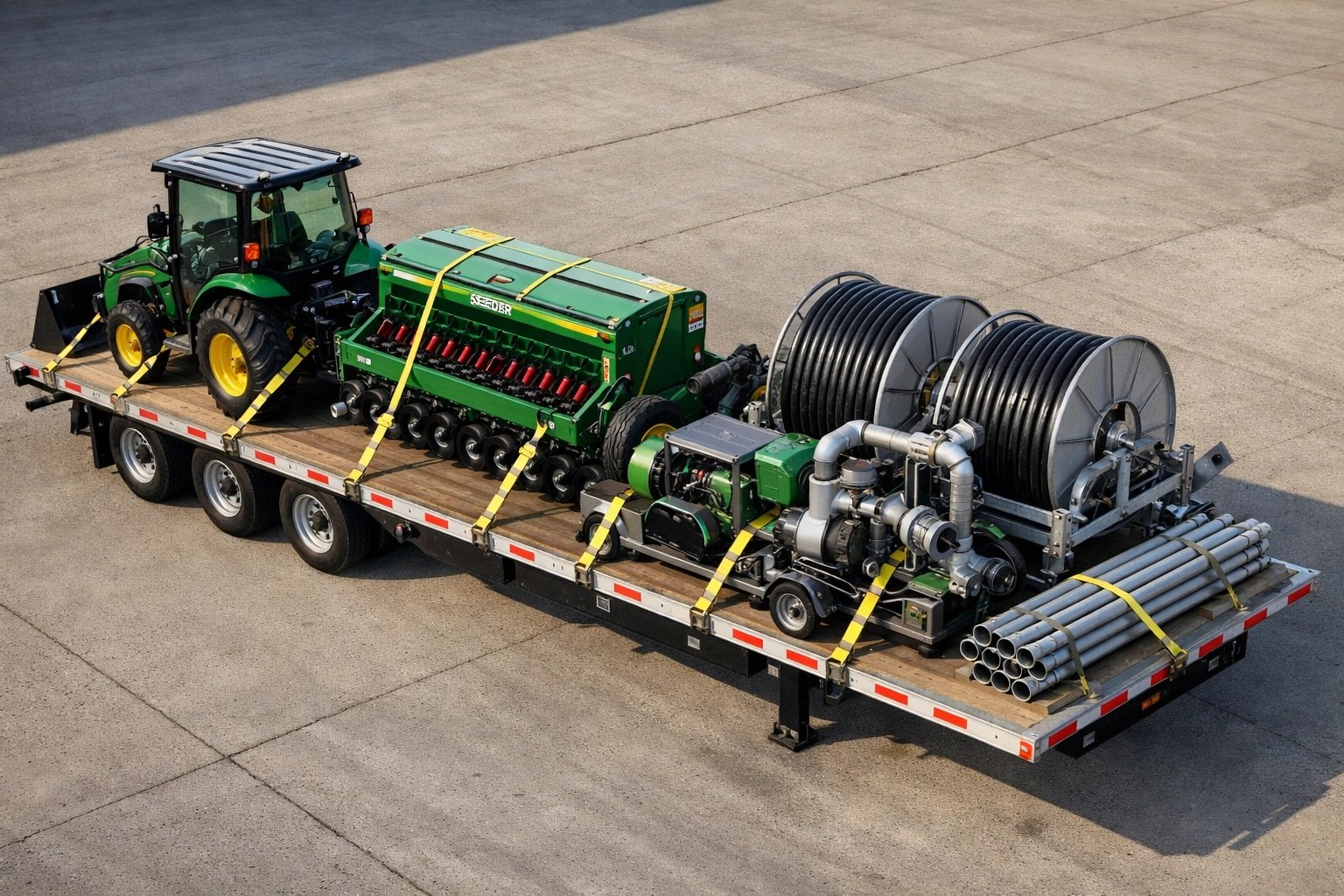
Beyond the obvious cost benefits, consolidated shipping reduces handling risks. Each time equipment gets loaded and unloaded, there’s potential for damage. Fewer movements mean fewer opportunities for something to go wrong.
To make consolidation work:
- Track all equipment movement needs in a central calendar
- Look for opportunities to combine shipments heading to the same region
- Communicate with neighboring operations, sometimes co-loading equipment benefits everyone
- Be flexible with timelines where possible to allow for consolidation opportunities
Yes, this requires more upfront coordination. But when you’re saving 30-40% per shipment, the planning time pays for itself quickly.
Step 3: Partner with Transportation Experts Who Know Agriculture
Not all freight brokers understand agricultural equipment shipping. Generic transportation companies might haul boxes efficiently, but moving a 12-foot-wide combine with a $200,000 replacement value requires specialized knowledge.
The right transportation partner brings expertise that prevents expensive mistakes:
- Regulatory compliance: Understanding oversize load permits, escort requirements, and state-specific agricultural equipment transport regulations
- Equipment selection: Knowing when you need an RGN trailer versus a standard flatbed, or understanding proper securement techniques for different machinery types
- Route knowledge: Identifying roads that can handle the weight and dimensions of specialized machinery transport, avoiding low bridges and weight-restricted routes
- Seasonal logistics: Planning around planting and harvest pressures when capacity gets tight
At JW Distribution Inc., we’ve built our business around understanding these nuances. When you work with a logistics partner who specializes in agricultural freight, you’re not just booking a truck: you’re accessing years of accumulated knowledge about what works and what doesn’t.
Step 4: Choose the Right Equipment for Your Specific Machinery
Here’s a mistake we see constantly: agricultural operations booking whatever trailer the carrier suggests without understanding whether it’s actually the best fit. Different machinery requires different open deck freight solutions, and the wrong choice costs money.
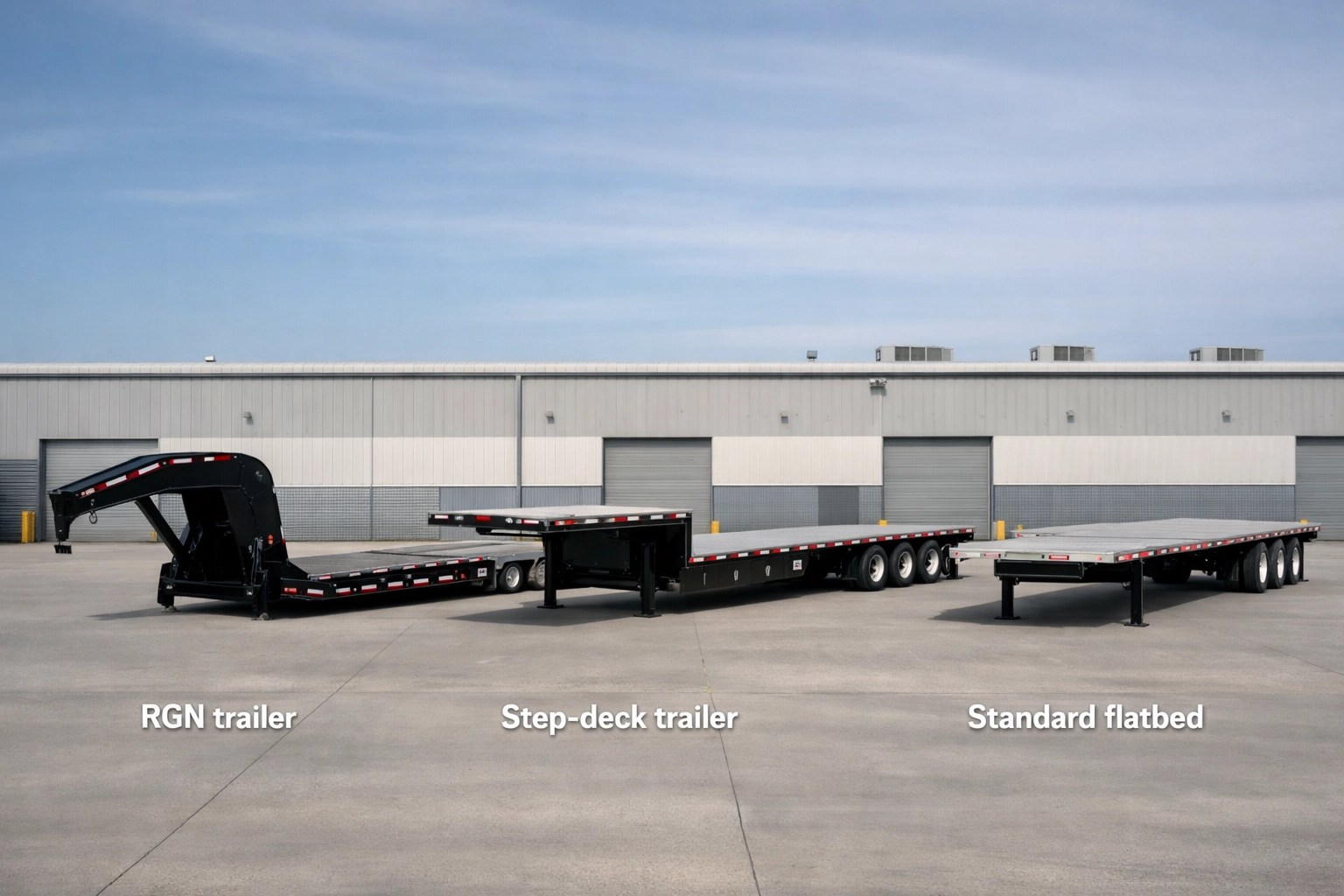
For example:
- RGN (Removable Gooseneck) trailers offer easy loading angles for self-propelled equipment like tractors and combines, reducing loading time and labor costs
- Step-deck trailers provide lower deck height for taller equipment while staying within height restrictions
- Standard flatbeds work perfectly for many implements and smaller agricultural machinery at the lowest rates
Securement matters too. Chains versus straps, the number of tie-down points, and proper weight distribution all impact both cost and safety. An experienced carrier will recommend the appropriate approach: but only if you’re working with someone who understands agricultural equipment shipping specifically.
Don’t hesitate to ask questions: “Why are you recommending this trailer type?” “How will the equipment be secured?” “What’s your experience moving this specific type of machinery?” The answers reveal whether you’re dealing with experts or just someone willing to take your money.
Step 5: Leverage Technology for Tracking and Flexibility
Agricultural operations run on tight timelines. When equipment is in transit, you need to know exactly where it is and when it’ll arrive: not approximate estimates that leave you guessing whether tomorrow means 8 AM or 6 PM.
Modern specialized machinery transport should include real-time tracking technology that gives you visibility throughout the journey. This transparency serves multiple purposes:
- Coordinate labor and equipment on the receiving end
- Quickly adapt to delays or route changes
- Maintain accountability throughout the shipping process
- Provide documentation for insurance or warranty purposes
Additionally, work with carriers who offer flexible routing options. Sometimes paying slightly more for expedited delivery makes sense when you’re racing against weather. Other times, a longer route that saves money works fine because your timeline has built-in buffer.
This flexibility prevents you from overpaying for speed you don’t need while ensuring you can pivot when circumstances change.
The Bottom Line: Strategic Shipping Saves Serious Money
Last-minute agricultural equipment shipping isn’t just expensive: it’s a symptom of reactive operations management. The agricultural businesses that consistently control costs and maintain reliable equipment logistics share one characteristic: they treat transportation as a strategic function requiring advance planning, not a last-minute scramble.
Implementing these five steps won’t eliminate all shipping challenges. Weather happens, timelines shift, and unexpected equipment moves will still occur. But when 80% of your agricultural equipment shipping is planned, consolidated, and managed through experienced partners using appropriate equipment, those occasional emergencies become manageable exceptions rather than budget-busting norms.
Start by reviewing your equipment transportation patterns from the last 12 months. How many moves could have been planned earlier? Where could shipments have been consolidated? Which carriers performed well, and which created headaches? Use those insights to build a smarter approach for the year ahead.
Your agricultural operation deserves better than paying premium prices for substandard service. With the right strategy, you’ll spend less, stress less, and move your equipment more reliably: leaving more resources for the work that actually grows your business.
Need help optimizing your agricultural equipment shipping strategy? Contact JW Distribution Inc. to discuss how specialized logistics expertise can reduce your transportation costs while improving reliability.
Leave a Reply