![[HERO] 5 Costly Misconceptions About Heavy Haul Trucking (and What Actually Works)](https://i0.wp.com/cdn.marblism.com/QJyYqhhGNxq.webp?ssl=1)
Think you’ve got heavy haul trucking figured out? Think again. These five common misconceptions cost shippers thousands of dollars every year: and we’ve seen the fallout firsthand. Here’s what actually works, straight from two decades in the trenches.
Read More: 5 Costly Misconceptions About Heavy Haul Trucking (and What Actually Works)
Let’s be real: heavy haul trucking isn’t regular freight with bigger equipment. It’s a completely different animal. Yet we see shippers make the same costly assumptions over and over again, treating oversized and overweight loads like standard shipments.
The result? Delays, damaged cargo, surprise fees, and headaches that could have been avoided with the right information upfront.
Whether you’re shipping construction equipment, industrial machinery, or agricultural gear, understanding these misconceptions: and what actually works: can save you serious money and frustration. Let’s dig in.
Misconception #1: Standard Routes Work Fine for Oversized Loads
This one gets people into trouble constantly. The assumption goes something like this: “It’s just a bigger truck. The highway’s the highway, right?”
Wrong.
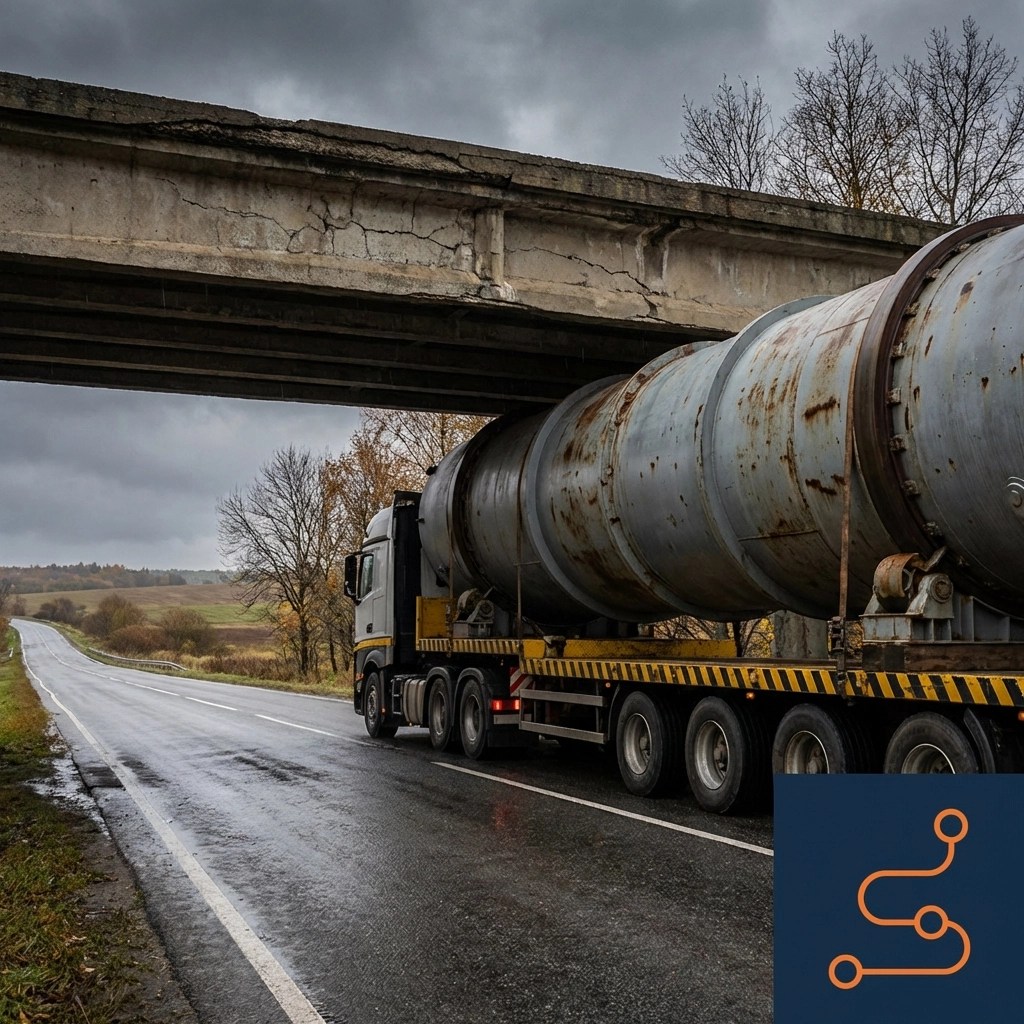
Open deck freight and oversized loads face obstacles that standard shipments never encounter. Low bridges. Narrow roads. Weight-restricted zones. Utility lines. Construction zones with reduced clearances. One wrong turn can mean a stuck truck, damaged cargo, or worse.
What Actually Works
Specialized route planning isn’t optional: it’s essential. For RGN trailer shipping and double drop trailer freight, this means:
- Surveying routes in advance to identify clearance issues, weight restrictions, and potential obstacles
- Mapping alternative routes in case of unexpected road closures or construction
- Coordinating with permit agencies to ensure the planned route is approved
- Accounting for escort vehicle requirements on certain roads and through specific jurisdictions
A 2024 industry study found that inadequate route planning leads to cargo damage, vehicle breakdowns, and legal penalties for road damage. When you’re moving expensive equipment, cutting corners on route planning is a false economy.
Experienced freight broker services handle this planning as part of the job. If your broker isn’t asking detailed questions about your load dimensions and discussing route considerations, that’s a red flag.
Misconception #2: Rough Weight Estimates Are Good Enough
“It’s about 40,000 pounds, give or take.”
We hear this all the time. And we get it: not everyone has industrial scales sitting around. But in heavy haul trucking, “give or take” can mean the difference between a legal load and a violation, or between the right equipment and the wrong one.
What Actually Works
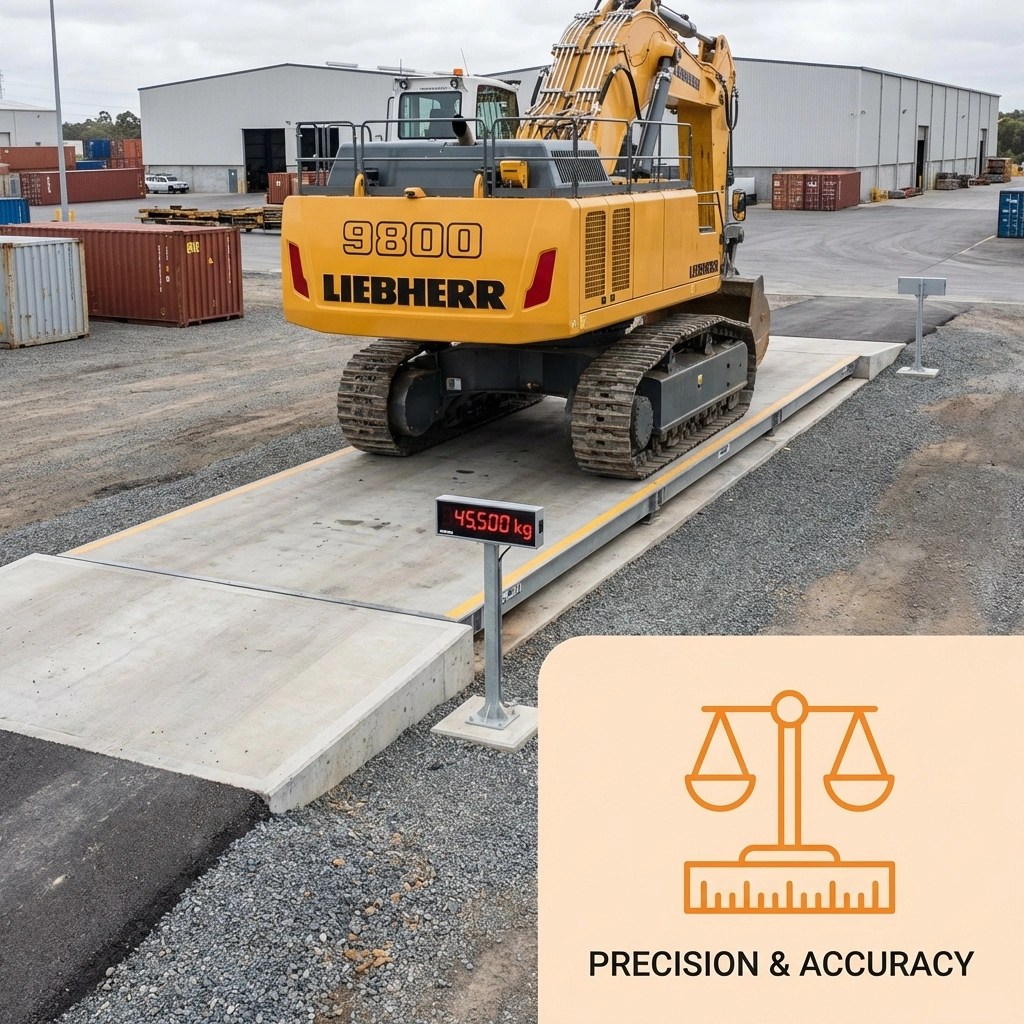
Accurate weight assessment is non-negotiable. Here’s why it matters:
- Equipment selection depends on it. A standard flatbed, a double drop trailer freight setup, or an RGN trailer shipping configuration all have different weight capacities. Underestimate your load, and you might end up with equipment that can’t legally or safely haul it.
- Permit requirements are weight-based. Overweight permits are issued for specific weights. If your actual load exceeds the permitted weight, you’re looking at fines and delays.
- Safety is at stake. Overloaded equipment handles differently, wears out faster, and poses risks to the driver and everyone else on the road.
According to Federal Highway Administration data, 15% of heavy haul violations stem from weight miscalculations. That’s a lot of preventable problems.
If you can’t weigh your cargo precisely, work with your broker to get a professional assessment. For multi-piece loads, calculate the total weight including packaging, crating, and any accessories. When in doubt, round up: not down.
Misconception #3: Standard Maintenance Schedules Work for Heavy Haul Equipment
Regular trucks get serviced every so many miles. Heavy haul equipment should be the same, right?
Not even close.
Specialized machinery transport puts extreme stress on trucks and trailers. The weight, the road conditions, the constant starting and stopping with massive loads: it all takes a toll that standard maintenance intervals don’t account for.
What Actually Works
Preventive maintenance for heavy haul equipment needs to be more frequent and more thorough. A 2023 National Highway Traffic Safety Administration study found that 20% of heavy haul accidents involved equipment failure due to poor maintenance. That’s one in five accidents that could have been prevented.
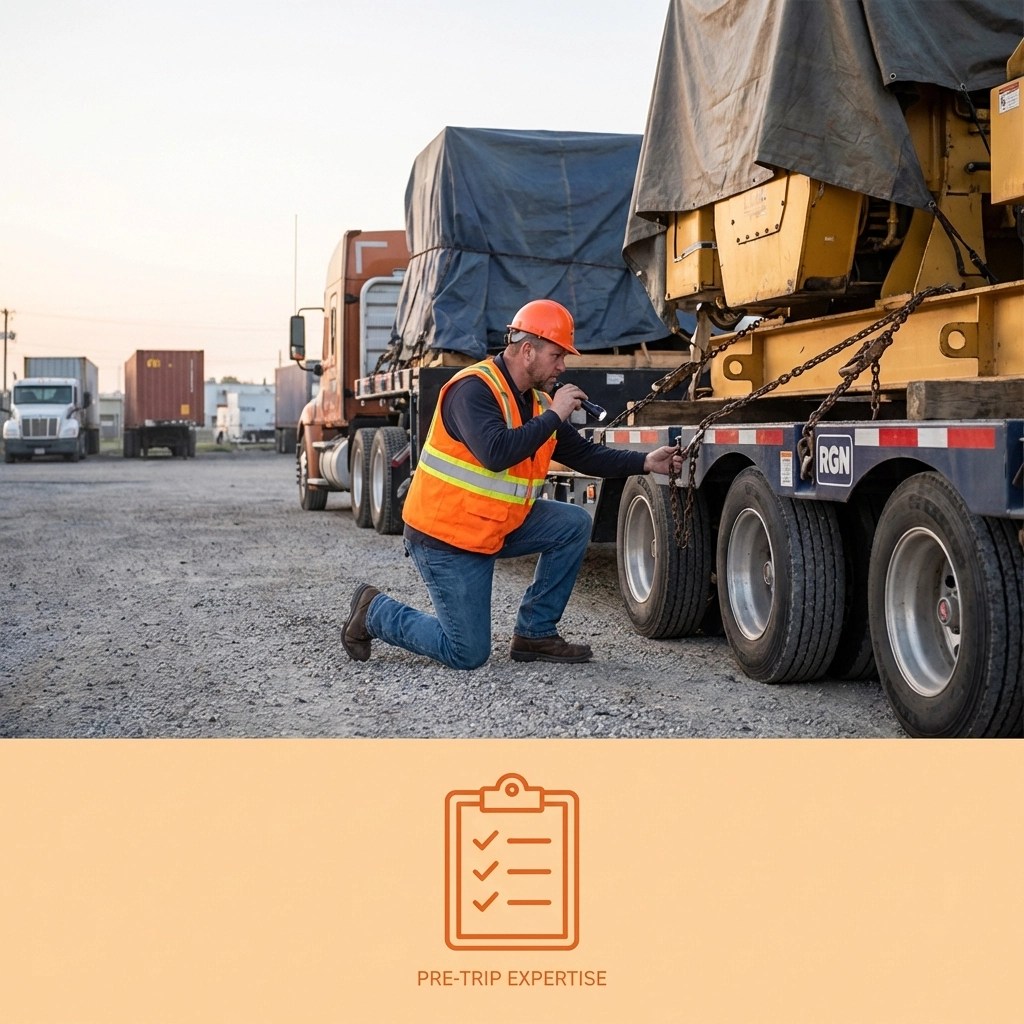
Quality carriers conduct thorough pre-trip inspections that include:
- Tire condition and pressure (critical for heavy loads)
- Brake system functionality
- Lights and reflectors
- Mirrors and visibility equipment
- All securing devices and attachment points
- Hydraulic systems on RGN and other specialized trailers
When you’re vetting carriers for your open deck freight, ask about their maintenance protocols. Carriers who cut corners on maintenance are carriers who will eventually let you down: probably at the worst possible time.
Misconception #4: Basic Tie-Downs Are Fine for Any Load
Straps work for regular freight. Why wouldn’t they work for heavy equipment?
Because physics doesn’t care about assumptions.
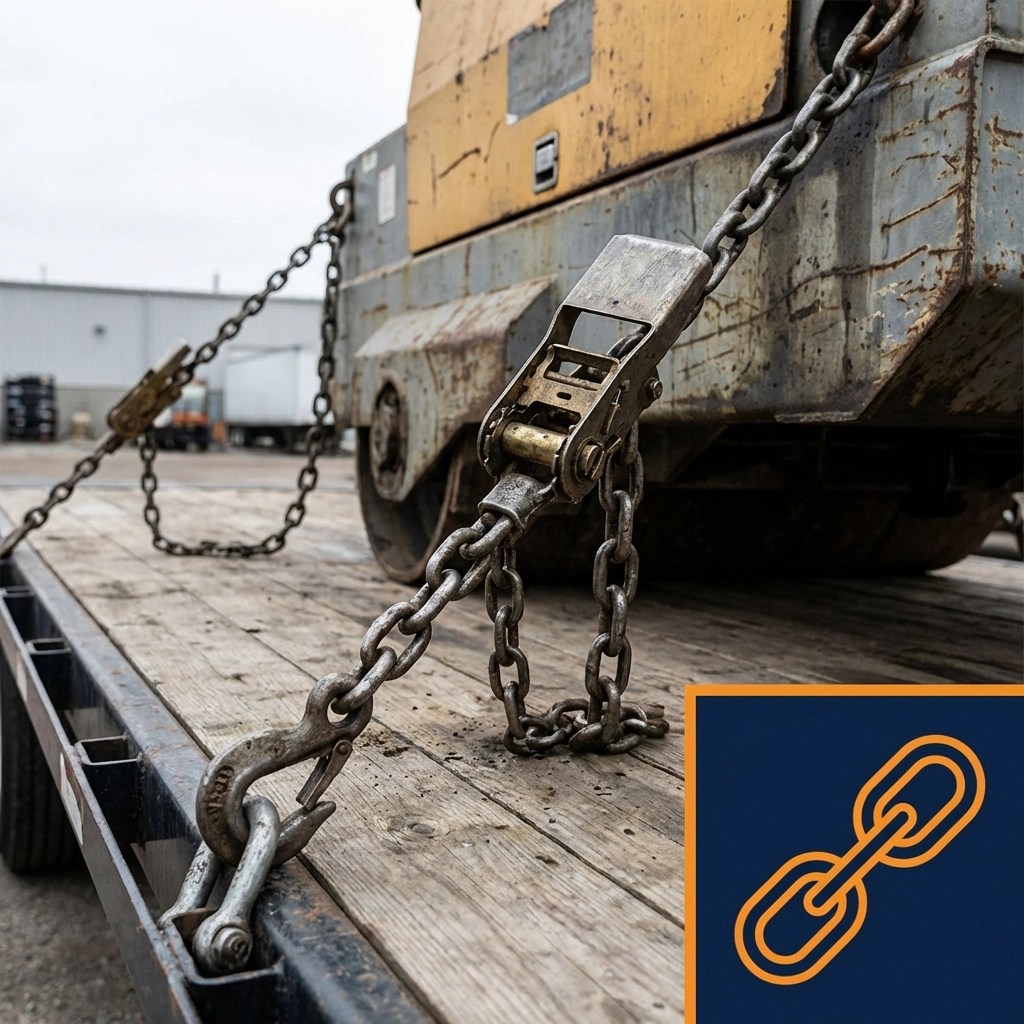
The forces acting on a 60,000-pound piece of machinery during transport are dramatically different from those on a standard pallet. Sudden stops, turns, road vibrations: all of these can shift or damage improperly secured cargo. And when that cargo is worth hundreds of thousands of dollars, “should be fine” isn’t good enough.
What Actually Works
Proper load securement follows FMCSA regulations and uses equipment rated for the specific load weight. This means:
- Chains and binders rated for the actual load, not just whatever’s available
- Weight distributed evenly across the trailer to prevent shifting
- Multiple securement points to provide redundancy
- Regular inspections during transit, not just at pickup
Federal Motor Carrier Safety Administration data from 2024 showed that 25% of heavy haul accidents were linked to improper load securement. That’s a quarter of all accidents that proper technique could have prevented.
For specialized machinery transport, securement often requires blocking, bracing, and specialized equipment beyond standard chains and straps. Carriers experienced in heavy haul trucking know this and come prepared. Inexperienced carriers often don’t.
Misconception #5: Any Experienced Trucker Can Handle Heavy Haul
“He’s been driving trucks for 20 years. He can handle it.”
Experience matters, absolutely. But standard trucking experience doesn’t automatically translate to heavy haul competence. They’re different skill sets.
What Actually Works
Specialized training is essential for heavy haul drivers. This includes:
- Advanced load securement techniques specific to oversized and overweight cargo
- Weight distribution principles for different trailer configurations
- Maneuvering skills for navigating tight spaces with massive loads
- State-specific regulations that vary widely across jurisdictions
- Permit compliance and documentation requirements
A 2024 study found that 15% of heavy haul incidents involved inadequately trained drivers. When you’re shipping expensive equipment, you need a driver who knows what they’re doing: not someone learning on the job with your cargo.
This is another area where quality freight broker services earn their keep. Good brokers maintain relationships with carriers whose drivers are specifically trained and experienced in heavy haul trucking. They’re not just finding the cheapest available truck: they’re matching your load with qualified professionals.
The Bottom Line
These five misconceptions share a common thread: they all involve treating heavy haul trucking like standard freight. It’s not. The equipment is different, the regulations are different, the risks are different, and the expertise required is different.
The shippers who avoid these costly mistakes are the ones who:
- Work with specialized brokers who understand open deck freight and oversized loads
- Provide accurate, detailed information about their cargo
- Ask questions about route planning, equipment, and driver qualifications
- Value reliability and expertise over rock-bottom rates
At JW Distribution Inc., we’ve spent over 20 years specializing in flatbed, heavy haul trucking, and specialized machinery transport. We’ve seen what works and what doesn’t. More importantly, we’ve built the carrier relationships and expertise to get your freight where it needs to go: safely, legally, and on time.
Got an oversized load that needs to move? Reach out to us and let’s talk about doing it right.
Leave a Reply